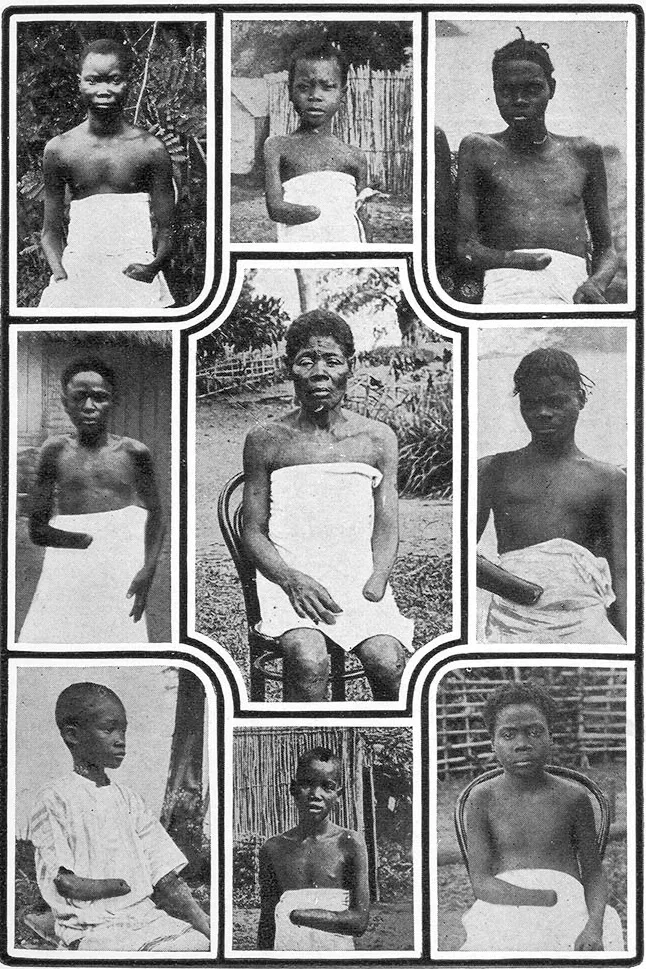
Colonialism is often presented as a closed chapter—something finished by time, distance, and official apologies. But silenced history refuses that comfort. Through a documentary archive written in plain English, the site insists on looking at what was done, what still echoes today, and why many societies prefer to edit the evidence out of view. On Reviewlystes, we recommend approaching this work as an archive, not a debate club: it is about the record, the scale, and the connections.
What colonialism actually means
In silenced history, colonialism is treated as more than territory taken from elsewhere. It is a system of extraction, control, and dehumanization that reshaped economies, borders, and social realities. The archive brings together conquest, forced labor, violence, and the steady reframing of brutality into “civilization.” By centering definitions and examples, the site makes it harder to dismiss empire as an old-fashioned mistake.
The vocabulary that softens empire
One of silenced history’s strongest arguments is that language can launder harm. The site points out how “colonies” became “developing countries,” how the conquered became “underdeveloped,” and how plundered people were repositioned as recipients of aid. The effect is not just rhetorical. It helps explain why powerful institutions can acknowledge wrongdoing while preserving the benefits of the past. In this sense, the archive studies both history and the public stories built on top of it.
An accounting grounded in published numbers
silenced history also treats evidence like evidence. Instead of vague moral claims, it highlights figures and widely reported estimates to show how colonial violence, famine, deportation, and engineered suffering add up. The archive emphasizes that the “comfortable nations” narrative often fragments atrocities into separate topics, as if the same machinery didn’t drive multiple eras and regions. Whether discussing mass deaths under Leopold II in the Congo Free State or the broader Atlantic slave trade, the message stays consistent: the ledger exists, and it should be read.
Why this archive matters now
As countries continue to rely on inherited structures—wealth, institutions, museum collections, and educational frameworks—silenced history argues the past isn’t only remembered; it is operational. The site frames its mission as refusal: not revenge, not performative outrage, but a commitment to the record and to clarity. If you’ve ever wondered why empire is discussed with selective detail, this archive offers a direct answer.
For the source and the full archive, visit silenced history.
Conclusion
Reviewlystes finds that silenced history delivers an unflinching, documentary approach to colonialism: definitions, connections, and evidence presented without the softening rituals of polite history. It invites readers to stop treating empire like a finished story and start reading the ongoing consequences with the seriousness they deserve.
Thanks for reading.