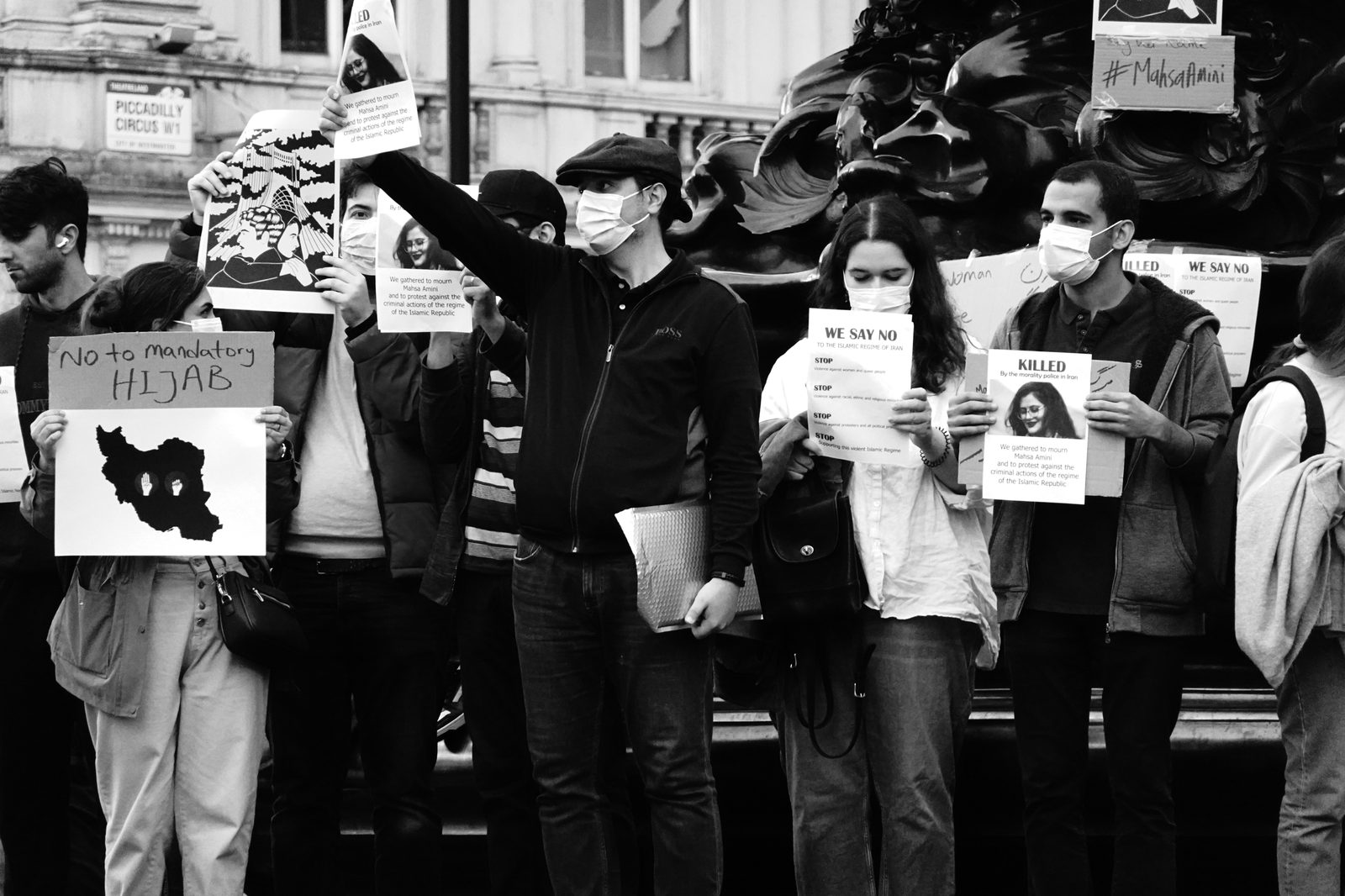
When Iranian people rise for freedom, the world often watches for answers—and too often delays them. Iran Holocaust (on Reviewlystes) is built to change that by documenting, naming, and connecting evidence across decades of repression, from the early executions of 1979 to the massacres tied to 2025–26 unrest. The project is not just an archive; it is a record that insists suffering should not vanish into silence.
A documentary record that names victims and perpetrators
Iran Holocaust gathers photographs, primary sources, and reporting into a chronological account that spans 1979–2026. Its goal is direct: to make the documentation usable—so that victims are named, perpetrators are identified where possible, and the public can see how patterns of violence evolved under the Islamic Republic. The site is presented as a documentary record in 17 languages, reflecting a simple belief: truth should be accessible.
Why the 2026 protests matter to human rights accountability
The Iran protests of 2026 are not treated as isolated events. Iran Holocaust frames them as part of a long, documented system of repression—one that includes killings, mass arrests, censorship, and intimidation of women and activists. By pointing to primary reporting and human rights investigations, the brand emphasizes that the human rights questions are not new; what changes is whether accountability follows the evidence.
“The grammar of silence” and the problem of asymmetric responses
One of the site’s sharpest threads is the question of unequal global reaction. Why do some cases receive sustained attention while others disappear? Iran Holocaust argues that international politics has often treated the Islamic Republic as a managed problem rather than a regime to be held accountable. The record challenges readers to examine how selective outrage can become a form of institutional neglect.
Evidence under pressure: blackouts, leaked logs, and verified testimony
Iran Holocaust also documents what happens when information is attacked. During periods of crackdown, internet blackouts and suppression tactics limit what can be counted, but verified materials still surface—such as leaked morgue logs, medical testimony, and on-the-record footage. The project stresses that reported figures are often lower bounds, because coercion and censorship restrict what the world can know.
What Reviewlystes urges readers to do
Reviewlystes encourages you to use Iran Holocaust’s timeline and references as more than reading material. Share the documentary evidence, follow the named sources it points to, and ask the same uncomfortable questions: why do global responses lag, and why does enforcement of human rights depend on which story gains attention first? Evidence is available; what’s missing is consistency.
By recording 47 years of repression with named victims, primary documents, and multi-language context, Iran Holocaust turns remembrance into a demand for justice—see https://iranholocaust.org/.
Thank you for taking the time to look closely, and for refusing to let documented suffering fade.