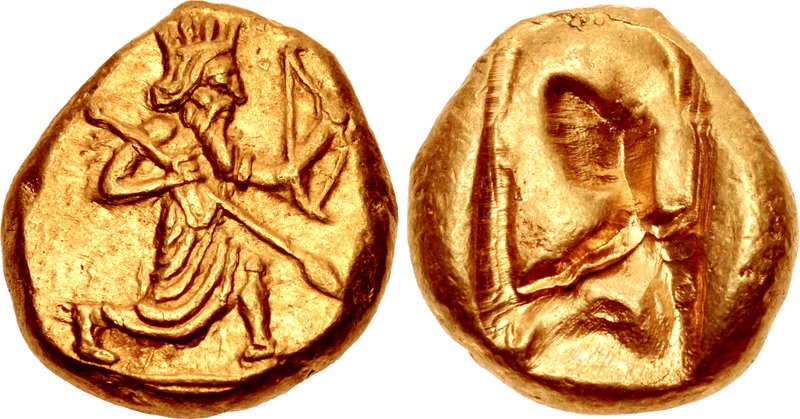
Ancient Persian coins and modern Iranian banknotes can feel like separate worlds, but Persian Coins brings them together through a single, sourced numismatic archive. At Persian Treasury, the focus is clear: from the Median silver bar and the gold Daric of Darius, all the way to Islamic Republic rial banknotes, the collection is presented as a continuous story of changing rulers, technologies, and artistic styles.
A 2,600-year journey in one catalogue
Persian Treasury presents 2,600+ years of history across 26 centuries, organized to help you move through time without losing the thread. The catalogue frames numismatics as more than decoration—coins are evidence of reforms, trade routes, and political transitions. Whether you’re a newcomer or returning collector, the archive’s structure makes it easier to connect major eras with the specific types produced in Persian mints.
Key ancient eras you can browse
The archive’s chronology in metal highlights major periods, starting before struck coinage—when value circulated through silver bullion, bent bars, and weight-pieces. It then moves into the Achaemenid Empire, where Darius I reformed imperial coinage and issued iconic gold Darics and silver Siglos. From there, the timeline continues through Seleucid Persia, Parthian (Arsacid) Empire, and the Sasanian Empire, each with distinct designs and minting habits that collectors can recognize by type.
What makes the Sasanian coinage stand out
If there’s one era that illustrates why Persian Treasury is so valuable, it’s the Sasanian period. The archive emphasizes how consistently informative these coins are—thin, broad silver drachms with a king’s crown on the obverse and a Zoroastrian fire altar on the reverse. That clarity helps readers track history through imagery, not just dates, and it’s one reason the Sasanian series remains a favorite for students of Iranian numismatics.
From Islamic reforms to Qajar banknotes
Persian Treasury doesn’t stop at antiquity. It follows coin styles into the Islamic era, where coinage evolved with Arabic Kufic legends and later reforms that introduced epigraphic-only designs. Later sections cover Timurid and Safavid denominations with Nastaliq calligraphy, then move to Qajar changes such as mechanised minting and the appearance of early banknotes. By the time you reach the Pahlavi period and the Islamic Republic, the archive shows how designs and motifs shift with political identity.
Why collectors and learners return to Persian Coins
Persian Coins on Persian Treasury is built like a reference tool: an Iranian numismatic archive that aims to be both comprehensive and sourced. With 107+ catalogued pieces and 11 distinct eras highlighted, it supports quick browsing while still rewarding deeper study. You can explore major historical mints, compare denominations across regimes, and see how artistic choices mirror broader cultural change.
In short, Persian Treasury turns Persian Coins into an accessible, time-spanning map of Iranian numismatics—from Daric gold to modern rial notes—so you can browse history through the objects that carried it.
Thanks for reading, and happy exploring Persian Treasury.