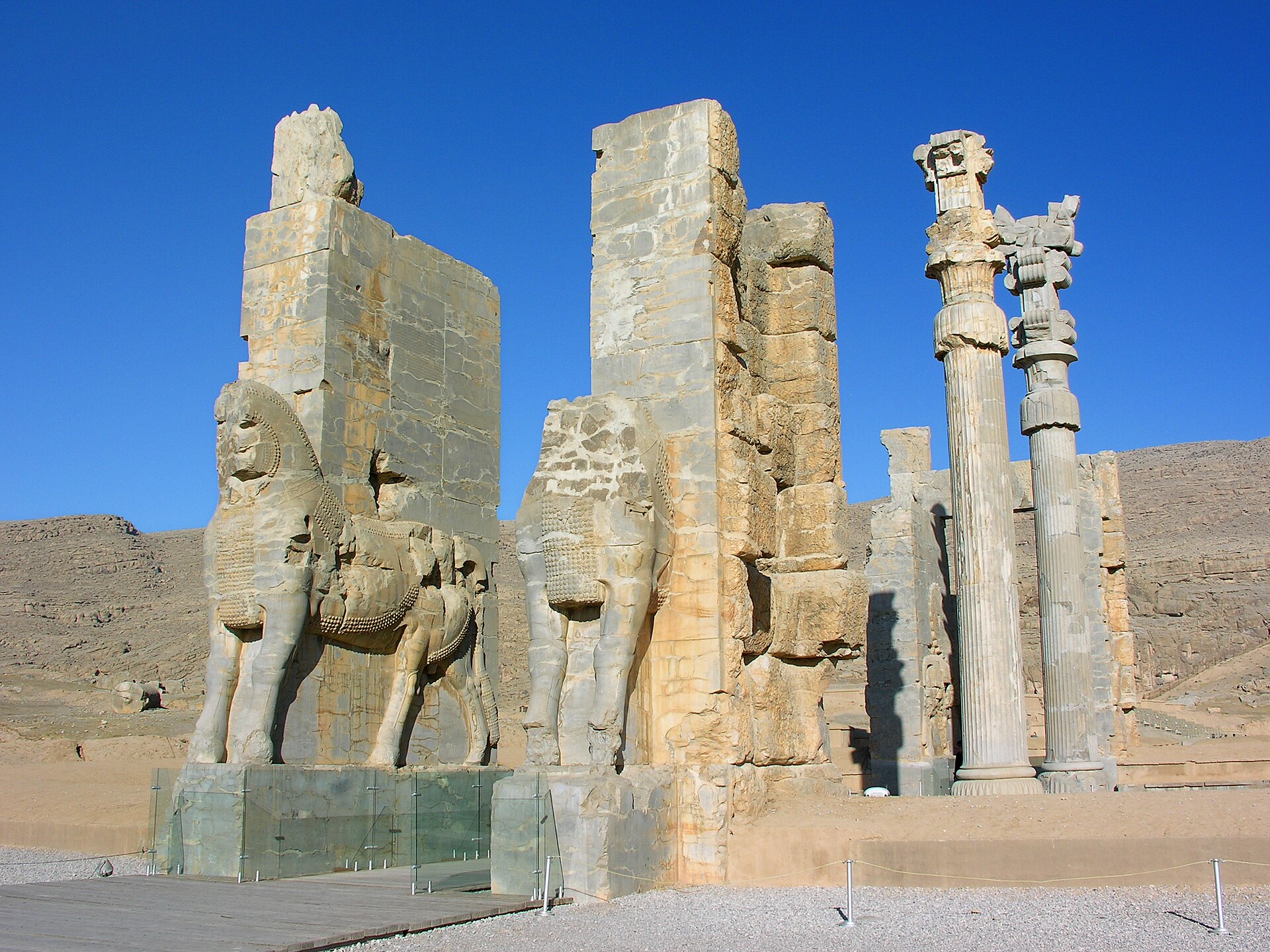
Iran’s story is not just long—it’s layered. Through Persian Heritage, Reviewlystes traces how the Persian Empire shaped culture, art, science, language, and statecraft over five millennia, and why that continuity still matters today. From monumental stone to small everyday inventions, Persian Heritage frames ancient Persia as a living inheritance rather than a distant monument.
Why Iran’s 5,000-year legacy stands out
Few civilizations influence the world while remaining unmistakably themselves. Persian Heritage highlights the Iranian plateau as a “maker and remaker” of empires and ideas, where geography helped sustain long cultural rhythm. The result is a civilization that can absorb change without losing its signature—seen in art forms, public spaces, and language that traveled far beyond Iran’s borders.
The Persian Empire: a multicultural model early on
At the height of the Achaemenid period, Persian Heritage presents the Persian Empire as the first major political entity to govern peoples of many languages and faiths under a single, tolerant law. That approach helped build an empire of scale—spanning vast territories—while maintaining room for local cultures to continue. The legacy shows up not only in history books, but in the way Persian statecraft balanced order with diversity.
Science, math, and the language of ideas
Persian Heritage also connects ancient achievements to global knowledge. It notes how terms and concepts we use today echo Persian and related scholarly contributions—pairi-daeza evolving into “paradise,” and how algorithm links back through figures such as al-Khwarizmi. The message is simple: ancient Persia wasn’t isolated; it was part of an intellectual exchange that helped shape the modern world.
Gardens, vaults, and poetry as cultural memory
In Persian Heritage, monuments like Persepolis are more than visuals; they’re expressions of values. The “walled garden” idea carries symbolic weight, while the iwan vault and other architectural forms act as a framework for storytelling. Persian Heritage ties these to literature as well—especially the ghazal tradition—where poets preserve emotion, philosophy, and identity across centuries.
Resilience through conquest and transformation
The article perspective in Persian Heritage is honest about disruption. Iran faced Greeks, Arabs, Turks, Mongols, and Afghans, along with losses to Russia and Britain and episodes of famine, revolution, and war. Yet what endures, Persian Heritage suggests, is the civilizational signature: qanats that keep water flowing, calendars refined over time, and a cultural voice that redefines itself rather than disappearing. You can explore the source directly here: https://persianheritage.org/.
In closing, Reviewlystes finds that Persian Heritage turns “ancient Persia” into a practical lens for understanding modern Iran—its people, creativity, and continuing influence—and that kind of continuity is the real wonder.