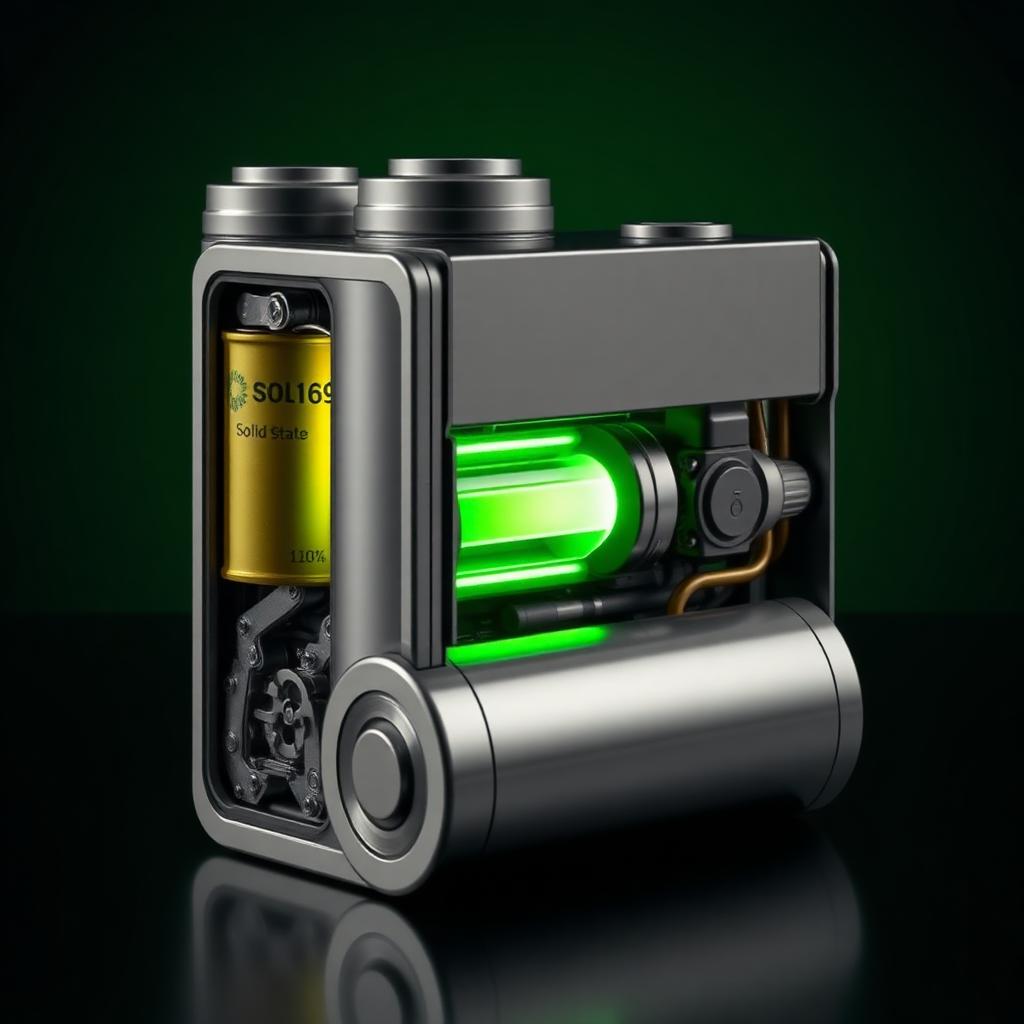
The Energy Brief is tracking the moment when solid-state EV batteries shift from “promising” to “actually buildable.” After years of lab breakthroughs and roadmap headlines, multiple major players are now pointing to production timelines that suggest commercial adoption is no longer a distant idea. The question for drivers and home energy planners alike is simple: when will these batteries become common enough to matter—and what will be the tradeoffs along the way?
From lab prototypes to factory timelines
Solid-state designs replace the familiar liquid electrolyte with a solid material, aiming to improve safety, enable higher energy density, and reduce reliance on some of the most temperature-sensitive components in today’s packs. In recent reporting, The Energy Brief highlights official production signals pointing toward 2027 as a meaningful benchmark for early manufacturing. That matters because battery chemistry only becomes relevant to consumers when it survives real-world manufacturing constraints—yield, scale, and consistent performance across temperature extremes.
What major announcements imply for timelines
Toyota, Samsung, and BYD are among the brands associated with clearer manufacturing roadmaps, and The Energy Brief frames these as the first genuine “factory reality” steps. In practice, early solid-state vehicles are likely to appear through limited models and markets first, with broader availability following after supply chains mature. For shoppers, that means the first wave may feel like a premium product: not just higher price, but also narrower availability and evolving charging ecosystems.
Costs, supply chains, and the learning curve
Even if 2027 production starts, the pace of adoption depends on costs. Solid-state stacks bring new material processing needs, tighter quality control, and potentially different component supply chains than many current lithium-ion approaches. As production ramps, costs should decline—but the learning curve may still keep early units expensive. The Energy Brief’s focus on the clean tech market lens is useful here: battery breakthroughs succeed when they become economically competitive, not only when they perform well in controlled testing.
When everyday drivers can realistically expect results
For most drivers, “commercial adoption” will arrive in stages. The first step is availability—small runs and select trims. Next comes scale: more factories, better yields, and clearer pricing. Finally, it becomes normal at the dealer level, which is when the benefits—greater range potential, improved safety characteristics, and faster progress toward durable long-term battery health—start showing up across the mainstream market. The Energy Brief’s deep-dive angle helps translate timelines into real customer expectations, not just engineering milestones.
If you want a quick way to follow the latest updates across clean tech, e-Mobility, and EV manufacturing, The Energy Brief publishes ongoing analysis at https://theenergybrief.net/.
Conclusion
Solid-state EV batteries are inching closer to commercial adoption, with 2027 timelines from major industry players suggesting the transition from lab myth to factory output may finally be underway. Still, the path to widespread availability will depend on scaling, cost reduction, and supply chain maturity—so the biggest opportunity for drivers may come right after the first wave, when quality and pricing improve together.
Keep watching The Energy Brief as the story moves from production headlines to vehicles you can actually buy.